Very high switch CPU load from every DDM SFP module inserted in an Omada switch

Inserting a DDM-capable SFP/SFP+ module in an Omada switch adds an enormous 9% load to Omada switch CPUs. Every module adds ~9%! So two DDM modules add ~18% and so on. This seems an unreasonable overhead and heat output just to poll ~6 DDM values. Could TP-Link take a look at the Omada DDM firemware and see if this overhead can be reduced?
I have been testing Omada SPF/SPF+ modules with Omada switches like
SG3120X-M2
SG2210XMP-M2
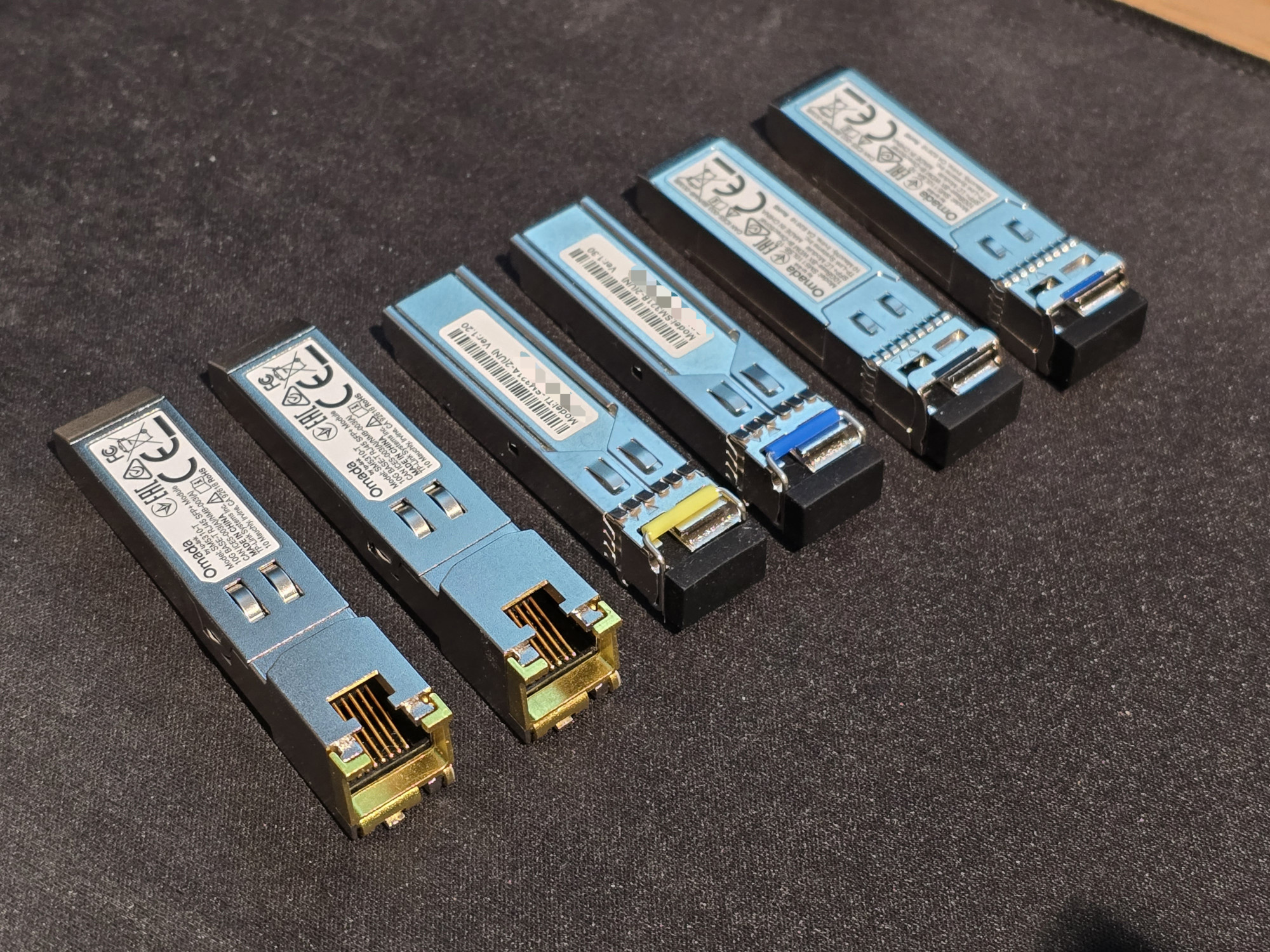
I tested SPF/SPF+ with DDM like:
SM5310-T (with DDM)
SM5110LSA/B-10 (with DDM)
SM321A/B (with no DDM)
For these tests, no fibre or ethernet cables were connected. The module was just inserted into the switch and the temperate and CPU load recorded.
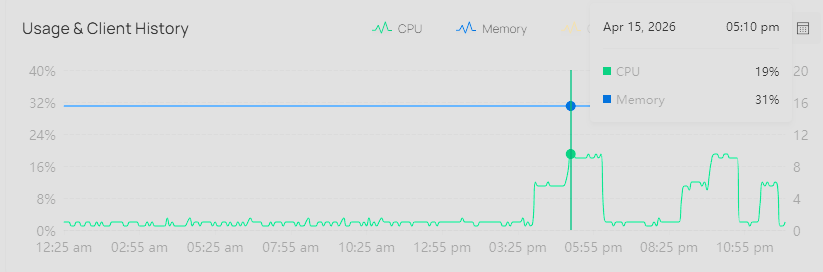
Each DDM module adds ~9% CPU load to SG2210XMP-M2 and ~8% CPU to SG3120X-M2. This suggests an 8-port aggregation switch like SX3008F would experience 65-72% CPU load just from having 8 DDM modules inserted.
In contrast, inserting an SFP modules with no DDM capability adds no discernible overhead to the CPU use.
The graph below recorded for an SG3120X-M2 with zero on or two DDM-capable modules inserted. Whether the modules are fiber or ethernet, or 1Gbps or 10Gbps, makes no difference, the CPU overhead of DDM is the same.